

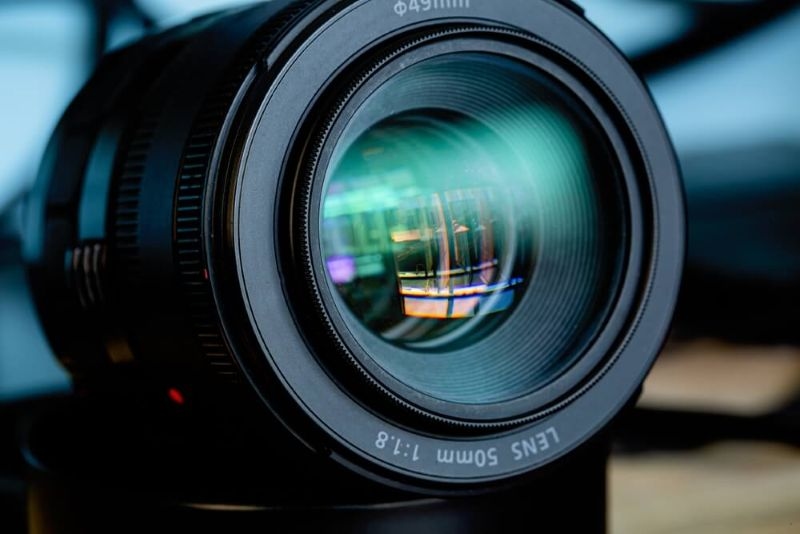
The function of a camera lens is integral to the quality and creativity of your photography. Having a basic understanding of lens types, including how to choose between a prime and a zoom lens, can greatly enhance your photography results. This lens guide will provide you with the information you need to use camera lenses effectively, achieve professional-looking photographs, and build renewed confidence in your photography.
Lenses (camera optics) are the "heart" of photography because they determine the look and feel of all the images we capture. Understanding lenses, available lens types, and basic optical principles is key to creating amazing images, whether you are new to photography or a seasoned professional.
Using a lens guide will help you decide whether to use a prime or a zoom lens, based on your shooting style and requirements. Finding the right lens will not only make your images look more professional but can also help turn your ideas into reality.
The lens you select for your camera will affect the amount of light that reaches the sensor, the area in focus, the distance between objects in focus (or depth of field), and how objects look when viewed together (or perspective). Selecting the correct lens type will provide you with higher-quality images with sharper detail, a wider range of creative uses in very low light, and more creative possibilities overall.
Advanced optical design in a camera lens directs light to a particular imaging sensor of a digital camera. Individual camera lenses contain multiple lens elements (glass), many of which were developed specifically to minimize distortion and maximize clarity.
Lens types have been designed for specific photographic purposes; a wide-angle lens gathers a wider view of a scene, while a telephoto lens effectively brings a distant subject nearer. Understanding how optical elements in lens systems operate will help the photographer make better decisions.
While the new digital cameras use new designs, there is nothing dishonorable about purchasing a great camera lens that can take beautiful images (photographers generally place greater importance on a lens than on a body, partly because it significantly affects the final image quality). Very decent quality prime lenses or versatile zoom lenses may produce better results than a more expensive camera body in many of the same photographic situations.
When choosing lenses for your photography kit, it is important to understand what each lens type does and how it will affect your ability to photograph a subject. Lenses serve various purposes, and understanding them all can expand your photographic skills.
Prime lenses have a fixed focal range, like 35mm or 50mm, and produce images with greater sharpness than zoom lenses. They also typically work better in low light and provide smoother backgrounds.
Because of their simplicity and ability to inspire creativity, many photographers enjoy using prime lenses for portraits and low-light photography. Consequently, they are often included in recommended lens guides as a great tool for creating great images.
Zoom lenses let you change focal lengths, giving you versatility without changing lenses. For example, there are zoom lenses that cover a 24-70mm or a 70-200mm range of focal lengths.
Zoom lenses work well for travel and event photography, as well as for wildlife photography. They help reduce the number of lenses you need to carry while still delivering excellent camera optics performance.
Wide-angle lenses are particularly suited to Landscape & Architectural photography, as they allow you to capture a wider area. Thus, they are featured in most lens setups.
Conversely, telephoto lenses are designed for Photography when you are far from your subject, as they allow you to focus on distant subjects. They are widely used in sports and nature/wildlife photography, where you cannot get close to your subject.
Macro lenses are designed for photographing subjects very close up and capturing fine detail, such as patterns and textures. These types of lenses are ideal for photographing the natural world and products.
Specialty lenses are lenses designed with unique creative effects, such as fisheye or tilt-shift lenses. Specialty lenses offer creative opportunities well beyond those of standard camera lenses.
Choosing the right camera lens to meet your goals depends on many factors, such as your photography style and how much money you have available to spend. A practical lens guide can help simplify your selection process.
When selecting a lens type, study the type of photography you do to ensure you choose an appropriate lens for the subject you are photographing. For example, a portrait photographer may prefer a prime lens, while a travel photographer is more likely to find a zoom lens better suited to that type of photography.
Understanding your niche can help you avoid purchasing lenses that may not work with your subject and build a solid lens collection.
The maximum aperture of your lens affects how well it performs in low-light conditions. Wider lenses let more light through and produce a more beautiful background blur than narrower lenses do.
Also, high-quality prime lenses typically have higher maximum apertures than standard zoom lenses, making them ideal for shooting at night or indoors.
Investing in high-quality camera lenses can be costly, but it will ultimately pay off with time. If you're new to this, consider starting off with an inexpensive zoom lens that can be used in multiple situations. If you're improving as a photographer and gaining experience as you develop your skill set, consider adding different types of lenses to your equipment arsenal to improve the photographs you produce.
Compatibility with the camera/lens manufacturer is likewise important to ensure you won't have any issues when using them together, since each manufacturer has its own mount style.
It's also a good practice to check the lens's waterproof rating and the materials used to produce it.
To create a full collection of lenses, you should purchase a zoom lens; then buy a fixed-focal-length lens for portrait and low-light photography; and eventually build on your collection by adding specialty lenses as needed, based on your experience, thus giving you confidence and creativity when photographing in various situations.
Selecting camera lenses is one of the most crucial decisions photographers make. Photographers must not only understand the various types of lenses, but also choose between zoom lenses and prime lenses, as every decision affects the final product.
A good lens guide will help you select high-quality camera optics, improve your photography skills, and deliver stunning photos. Make smart purchases, experiment as often as you can, and let the lens(es) you purchase help you express your creative vision through your photography.
Camera lenses have a huge influence on the storytelling aspect of photography. With regard to storytelling, lenses can dramatically alter perspective, depth (how the subject appears in your photograph), and your composition (the arrangement of the subject in your photograph). By using appropriate primes (fixed focal length lenses) or zooms (varying focal length lenses), you can create an emotional impact through the way you frame and focus a subject, resulting in more engaging, immersive, and visually stimulating photographs/readers, depending on the style of photography.
Using one zoom camera lens as a beginning photographer gives you versatility while exploring and using various types of lenses to improve your creativity and learning process, and then when you feel you're ready, you can purchase a single prime lens. A structured guideline for each lens type provides clarity and helps eliminate confusion about lenses for beginners, allowing them to build a practical camera lens collection and understand a lens's optical quality and performance without spending too much money or complicating their workflow.
While more expensive camera lenses usually offer higher optical quality, durability, and sharper images than less expensive lenses, this does not mean that more expensive lenses will always be better. Many entry-level lenses can also produce superior images when used correctly. Choosing the right prime or zoom lens will have a greater impact on how well your images turn out than the lens's price alone.
Camera lenses generally do not need to be changed as often as camera bodies, since most high-quality lenses last for many years with proper care. An upgrade would only be necessary when your photographic needs require better optics, newer features, or special shooting techniques that your current prime or zoom lens does not offer.
Lenses should be cleaned regularly with appropriate cleaning tools to maintain the quality of the camera's optics. Lenses should be stored in dry locations to prevent moisture from damaging the lens, but they should be kept away from dust. These steps will ensure that your lenses perform consistently, have a longer lifespan, and help maintain the quality of the photographs you take with them, especially if you use them a lot, whether you use prime or zoom lenses.
This content was created by AI