

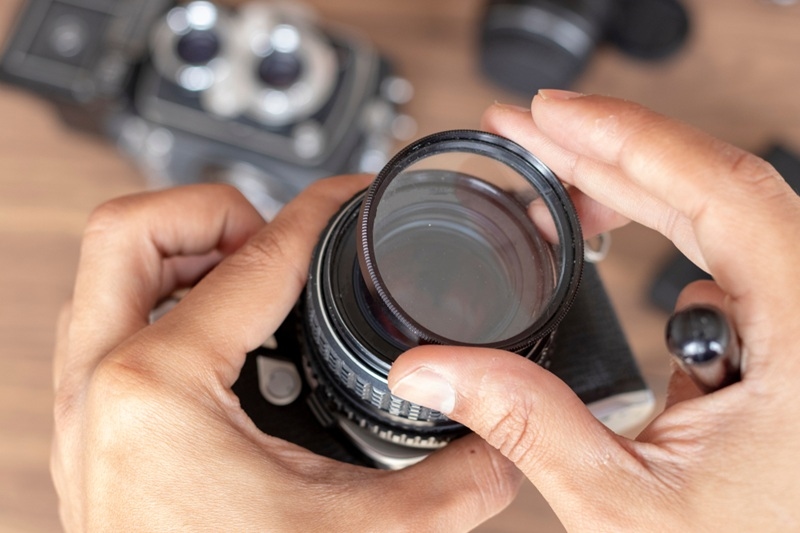
Photography’s not just about snapping a picture—it’s about catching a mood, the way the light hits, that spark of emotion you see right in front of you. If you want your photos to stand out, the easiest upgrade you can make is adding a filter to your camera. It’s a tiny tool, but even beginners see a big difference right away.
This guide will break down how filters actually work, when you want to use them, and how they boost your photos without hours of editing.
Camera filters are simple attachments for your lens. Some just protect the lens glass, but others totally change the final photo. Think of them as sunglasses or special effects for your camera. They shape the light coming in and what ends up in your shot.
There are tons of filter types, each with its own job. Some cut down glare, others cut harsh light, and some just add a little creative twist. Once you know what each one does, picking the right filter is pretty straightforward.
Filters make a real difference. They help you manage tricky lighting, boost colors, and kill off those annoying reflections that ruin photos. Instead of fiddling with software later, you get it right from the start.
Let’s say you’re outside and the sun’s brutal—that filter can help you even out the exposure. Or maybe you’re shooting by water or a glass window and can’t stand the reflections; a filter cleans that right up. Having a few filters in your kit just makes life easier.
There are loads of filters out there, but a few show up again and again in photographers’ gear bags.
ND filters (Neutral Density) are like sunglasses for your lens. They cut the light coming in, so you can shoot bright scenes without blowing out the highlights.
Want to smooth out the water in a waterfall shot or catch streaky clouds at sunset? An ND filter lets you slow your shutter way down without overexposing. Landscape shooters love them for that silky, dreamy look.
They’re also handy for video in daylight, letting you keep shutter speeds low to look more natural. There’s a reason landscape and video folks reach for an ND filter over and over.
A polarizer is another must-have. This little guy chops reflections on water or glass and makes colors pop. Pop on a polarizer and the sky looks richer, clouds are sharper, and everything just seems more vibrant. If you shoot outdoors, you’ll see the difference.
It also gets rid of glare when you’re shooting through windows or aiming your camera at a pond or lake. Clean, rich images, no weird reflections.
UV filters don’t add cool effects, but they’re handy for protection. Think of them as a shield—they keep dust, scratches, and dirt off your lens. Cameras themselves don’t need much help with UV blocking these days, but a UV filter is cheap insurance for your gear.
Some filters go all-in on creative effects: star bursts, vintage color, hazy soft focus, that kind of thing. Want your shot to look dreamy, highlight every light source, or just experiment with mood? Try one of these.
They’re not for every photo, but they’re great for shaking things up or playing around on a creative project.
Bottom line: filters are the quickest way to control your shot and add a little style—right in the moment, no editing marathon required.
Camera filters are an easy way to boost your photos right from the start—no complicated editing needed. Instead of fixing everything after the fact, filters help you get things right in the moment.
Take a polarizing filter, for example. It bumps up color contrast and cuts glare, so your landscapes actually look as vivid as you remember. An ND filter is the one for long exposures—think smooth waterfalls or streaky skies. With a few filters in your camera bag, you have way more control over brightness, color, and contrast.
The cool thing is, when you use filters well, your photos look more natural and need less tweaking later. You’re not fighting to correct shadows or colors on your computer—most of the work is done before you even press the shutter.
Your choice of filter really depends on what you like to shoot. Shooting outdoors or love landscapes? Grab a polarizer and an ND filter. They help you master tricky light and make a big difference, even if you’re just starting out.
If you’re new, start simple. Basic lens filters like ND or polarizers are super easy to use, and you’ll notice their impact right away.
Always double-check the size so your filter actually fits your lens. And don’t skimp on quality—a cheap filter can wreck your image sharpness, which defeats the whole purpose.
Practice helps. Before you shoot, give your filters a quick clean—dust and smudges sneak into every photo. Try not to pile on too many filters at once because that can blur things up.
ND filters love experimentation. Tweak your shutter speed and watch as moving water turns silky or clouds stretch across your shot. If you’re using a polarizer, twist it around and see how the reflection or sky changes. It’s all about finding the sweet spot.
Try your filters in different kinds of light and at different times of day. The more you play, the better you’ll get at choosing (and using) the right filter for the job.
Filters help you fix things in-camera that are a pain—or straight up impossible—to fix later. For example, no amount of editing can truly remove a harsh reflection the way a polarizer can, and you can’t fake the look of an ND filter’s motion blur with a simple slider.
That said, a little post-processing can still add the finishing touch. The trick is to use filters to get a strong photo up front, so you spend less time editing and more time shooting.
Camera filters are simple, but they make a real difference at any level. Whether you’re a beginner snapping your first waterfall or an experienced shooter refining your style, the right filter helps you get the photo you want.
ND filters, polarizers, and the rest each bring their own magic. Once you understand how they work, you’ll start creating photos that pop off the screen—and you’ll have a lot more fun doing it.
Camera filters are not compulsory, but they are indeed very beneficial for beginners as they enhance image quality and help them understand the control of light better. Getting started with top photography filters like ND and polarizing filters can be a big help in learning the art of photography in a more fun and efficient way.
Stacking lens filters is possible, but it is not a good idea to do it all the time. If you keep using many filters with the camera, then the image may lose sharpness, and there may be some reflections too. So, using just one or two filters at a time is what is recommended if you want to take pictures with the highest quality.
High-end filters are harmless to image quality. On the other hand, inexpensive filters can compromise sharpness or introduce uneven colors. Always select trustworthy photography filters for your engagement or some hostility.
In bright outdoor lighting, you may want to use an ND filter for the shift to slow shutter speed. It can be used to capture water, clouds, or traffic with a blur of the movement. A filter like this is what is required for creative photography and also for filter effects that are smooth and professional-looking.
This content was created by AI