

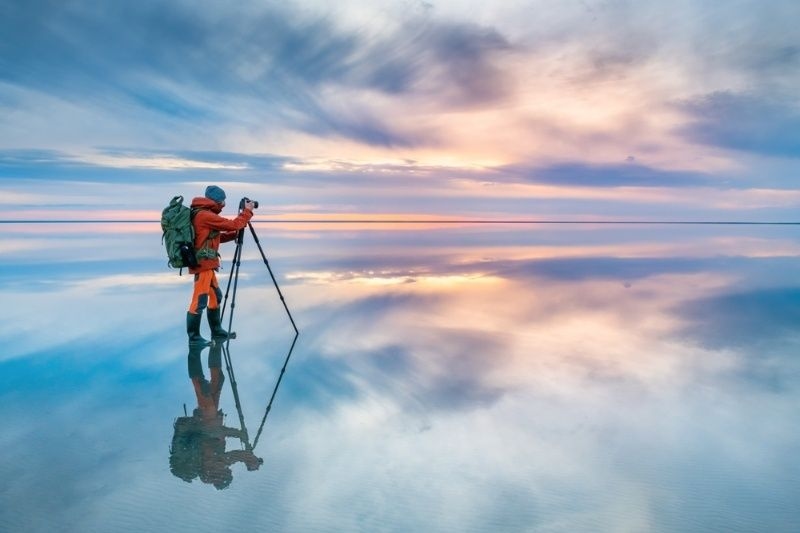
Capturing the world through a lens is a joy that many people love. To take great landscape photography, you need to understand how light and nature work together. Good outdoor photography starts with a person looking at the sky and the ground with a fresh eye. Nature photography tips often say that the best time to shoot is when the sun is low in the sky. This article helps you find the best ways to make scenic photos that look real and beautiful for everyone.
Taking a picture is more than just pressing a camera button. It is about feeling the wind and seeing how the colors change on the grass. Most people start by taking a photo of anything they see. But the best photographers wait for the right moment. They look at how the mountains meet the clouds. When you practice landscape photography often, your eyes start to see magic in simple things like a rock or a single tree.
Most people think you need an expensive camera to get started. That is not true at all. You can use a phone or an old camera to learn the basics. The most important part is how you see the world around you.
Learning the ropes takes time and patience. Here are some simple ideas to help you get better fast.
Light is like paint for a photographer. Without good light, a photo can look flat and gray. Landscape lighting is usually best during the "golden hour." This is the time right after the sun comes up or just before it goes down. The light is soft and warm, which makes the trees and hills look like they are glowing.
What this really means is that you should avoid taking pictures at noon. The sun is too high, casting dark, ugly shadows on the ground. If you go out early in the morning, you might even see mist or dew. Landscape lighting at dawn creates a quiet feeling that people love to see in scenic photos.
Composition is just a fancy word for where you put things in your photo. A good landscape composition helps the viewer know where to look first. A popular trick is the rule of thirds. Imagine a grid on your screen and put the most important thing on one of the lines.
Let's break it down further. You should also look for leading lines. These are things like a path, a fence, or a river that points toward the back of the photo. It draws the eye into the scene. Using landscape composition properly makes a flat image feel like a deep world you can walk into.
You do not have to travel across the ocean to find beauty. Outdoor photography can be done in your backyard or at a local park. The key is to look for layers. Have something close to you, something in the middle, and something far away. This creates depth.
Many people enjoy outdoor photography because it gets them out into the fresh air. When you walk through a forest, look at how the light hits the leaves. Sometimes, the smallest details make the most beautiful scenic photos. Nature is always changing, so every day is a new chance to try something different.
To make your images stand out, you have to think about the colors. Sometimes, a bright red leaf against green grass looks amazing. Other times, you might want colors that are all very similar, like different blues in a lake and the sky. Scenic photos tell a story about a place and how it felt to be there.
Landscape photography is a journey that never really ends. There is always a new sunrise to catch or a new hill to climb. By using these nature photography tips, anyone can start making art that they are proud to show their friends and family.
The world is full of amazing views waiting to be captured. By focusing on light and where things go in the frame, your pictures will improve. Remember to be patient and enjoy the time spent outside. Start your journey by grabbing a camera and heading to the nearest park today.
Cloudy days are actually great for pictures because the clouds act like a giant light bulb cover. This makes the light very soft. It prevents harsh shadows on the ground and makes the colors of flowers and trees look very bright and deep.
No, a flash is usually too small to light up a whole mountain or a forest. It is much better to use natural sunlight. If it is too dark, use a tripod to keep the camera steady for a long time.
It is important to keep your camera dry and clean. You can use a plastic bag to cover it if it starts to rain. Always wipe the lens with a soft cloth to remove smudges and dirt from your beautiful pictures.
Yes, making a photo a little brighter or changing the colors slightly is very common. It helps the picture look more like what your eyes saw in person. Just try not to change it so much that the trees or the sky looks fake.
This content was created by AI