

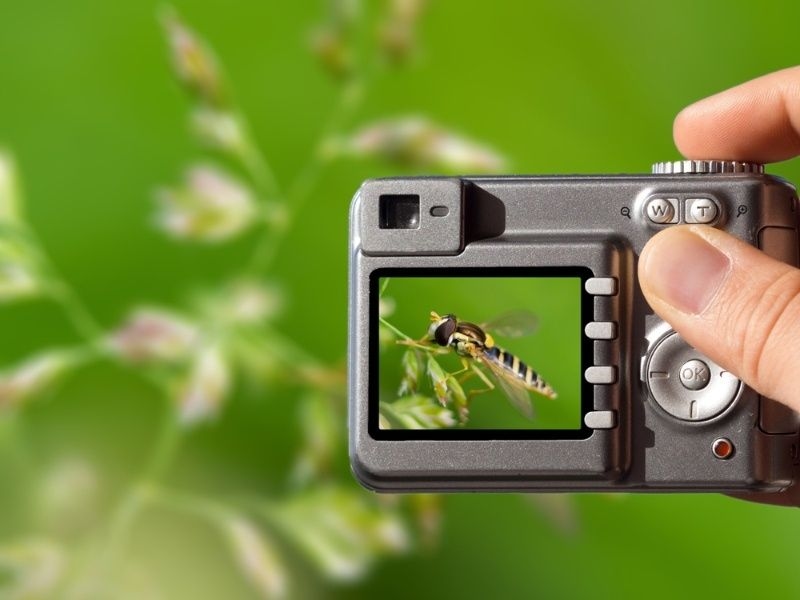
A normal scene can look ordinary until a camera moves in close enough to show what the eye usually misses. The texture on a leaf, the pattern on an insect wing, the grain in a flower petal, or the surface of a coin can suddenly feel dramatic. That is the pull of macro photography. It turns small things into full visual subjects instead of background details people barely notice.
For beginners, this style of photography can feel exciting and frustrating at the same time. The excitement comes from discovering a hidden world. The frustration comes from how easily a photo can go soft, shaky, or cluttered. Tiny subjects ask for patience. They also ask the photographer to slow down more than usual, which is not a bad thing. In fact, that slower pace is part of the appeal.
A good macro image does not only show something small. It shows it with intention. The angle matters, the focus point matters, and the light matters more than many beginners expect.
A lot of people assume macro work starts with expensive gear, but the real starting point is understanding how this kind of image works. In simple terms, macro photography is about photographing small subjects at very close distances so fine detail becomes the star of the frame. That sounds straightforward, but once the lens gets close, everything becomes more sensitive.
This is where close up photography and true macro work begin to separate a little. Close-up images can be beautifully detailed, but true macro usually aims for much greater magnification. Beginners do not need to get stuck in technical definitions on day one, though. It is more useful to understand the practical basics:
Once these basics click, the learning curve starts to feel less chaotic. The camera is not being difficult for no reason. It is simply responding to a more demanding kind of shot.
A dedicated macro lens is the most obvious tool for this kind of work, but it is not the only path in. Extension tubes, close-up filters, and even some kit lenses at their minimum focusing distance can help a beginner start experimenting. What matters most is choosing a setup that makes practice possible.
Some useful gear choices for beginners include:
These early decisions shape the whole experience. Good macro lens tips usually begin with a simple idea: use the equipment you can control well, not just the gear that sounds impressive. A basic setup handled carefully will often outperform an advanced setup used in a rushed way.
It also helps to keep expectations realistic. The first goal is not perfection. The first goal is getting consistently usable images while learning what the lens and camera do at close range.
Most beginners expect lighting to be the main challenge, but focus often becomes the bigger issue first. At close distances, even a tiny shift in body position can move the point of focus away from the exact part of the subject that matters most. That is why so many early macro shots look almost right but not quite sharp where they need to be.
Strong small subject photography depends on choosing the right focus point. With insects, that is often the eye. With flowers, it may be the stamen or the edge of a petal where texture is strongest. With objects, it depends on what tells the story best.
A few ways to improve focus accuracy include:
This is also where patience pays off. Macro images often reward people who slow down enough to check the result, adjust, and try again.
Once focus starts improving, lighting becomes the next major lesson. Close distances create shadows quickly, and the camera or lens can even block light from reaching the subject. A tiny change in angle can dramatically change how a surface looks.
This is why macro lighting deserves more attention than many people give it. Natural light can work beautifully, especially in soft morning light or near a bright window for indoor subjects. Still, direct sun can be harsh, and dim light can make shutter speeds too slow for sharp results.
A few simple lighting ideas help a lot:
Good light reveals texture. Bad light flattens it or creates distracting glare. That is especially important for detail shots, where the whole purpose is often to show surface, shape, and subtle structure clearly.
It is easy to get so caught up in magnification that composition gets ignored. That is a mistake many beginners make. A macro image still needs a clear subject, clean framing, and a reason for the eye to stay in the picture. Being close is not enough on its own.
Strong composition in close up photography often comes from simplifying the frame. Instead of trying to include everything, it usually works better to isolate one part of the subject and let the rest fade away. A single water droplet, the center of one flower, or the texture on a butterfly wing can say more than a wider, busier image.
Useful composition ideas include:
These choices help the image feel thoughtful rather than accidental. Macro work is often strongest when it feels intimate but still controlled.
Nature is one of the best places to practice macro because there are subjects everywhere once the eye starts noticing them. Flowers, leaves, bark, mushrooms, insects, seed heads, and textures in stone can all become interesting subjects. The challenge is that outdoor subjects do not always stay still.
Wind is a constant problem. So is changing light. Insects move when they feel like it. That is why small subject photography outdoors often depends on timing as much as technique. Early morning can be especially good because the light is softer, the air is calmer, and some insects move more slowly in cooler temperatures.
A few outdoor habits help:
This is where macro photography starts to feel a little like observation mixed with hunting. The photographer has to notice, wait, and respond at the right moment.
Outdoor macro is exciting, but indoor practice is often where real technical improvement happens. Indoors, the photographer has more control over light, subject placement, background, and camera stability. That makes it easier to focus on one problem at a time.
Good indoor subjects include:
This kind of practice is ideal for testing macro lens tips in a lower-pressure setting. A person can compare apertures, lighting angles, and focus distances without wind or moving insects making things harder. It is also a great way to build confidence with macro lighting because small changes become easy to observe.
Many photographers improve faster when they practice indoors during the week and then take those lessons outside later.
One of the biggest surprises in macro work is how quickly the background and foreground drop out of focus. Even at smaller apertures, the sharp area can still be very thin. This frustrates beginners at first, but it can also become one of the strongest creative tools in the image.
The trick is learning when shallow depth helps and when it hurts. For some detail shots, a soft blur around one sharp edge can look beautiful. For others, the important parts of the subject need more of the frame in focus. That may mean stopping down the lens, using a tripod, or even trying focus stacking later as skills improve.
The key is making the blur look intentional. A soft background should support the subject, not make the image feel like a near miss.
A lot of photographers improve slowly because they keep changing subjects before they understand what went wrong. One day they shoot a flower, the next day an insect, then a coin, then a mushroom. Variety is fun, but repeated practice teaches more.
This is where photo skills in macro work grow fastest. Choose one type of subject and work on it several times. Photograph flowers for a week. Or spend several sessions on small objects indoors. When the subject type stays similar, it becomes easier to see what changes are actually helping.
That is also how learning photography works best in general. Repetition creates understanding. A better photo is not usually luck. It is the result of noticing what failed last time and adjusting with more care.
No, not always. A true macro lens is helpful and gives the best overall control, but beginners can still learn a lot with extension tubes, close-up filters, or lenses that focus fairly close. The most important thing at the start is understanding focus, light, and stability. Expensive gear can make some things easier, but it does not replace practice. A simple setup used carefully can still produce very strong results while helping a beginner decide whether macro work is something they want to pursue more seriously.
This usually happens because depth of field is extremely shallow at close distances, so the focus may technically lock but still miss the exact area the photographer wanted sharp. Tiny hand movements after focusing can also throw the subject out of the sharp zone. Slow shutter speed is another common issue, especially in low light. In macro work, blur often comes from a combination of focus shift, camera shake, and subject movement rather than one single mistake.
Beginners usually do best with still subjects that allow time for careful setup. Flowers, leaves, textures on fabric, coins, jewelry, food surfaces, and shells are all good choices because they stay put and make it easier to practice focus and lighting. Insects are exciting, but they can be frustrating too early on because they move unpredictably. Starting with still subjects helps build confidence, and that confidence makes outdoor macro work much easier later.
This content was created by AI