

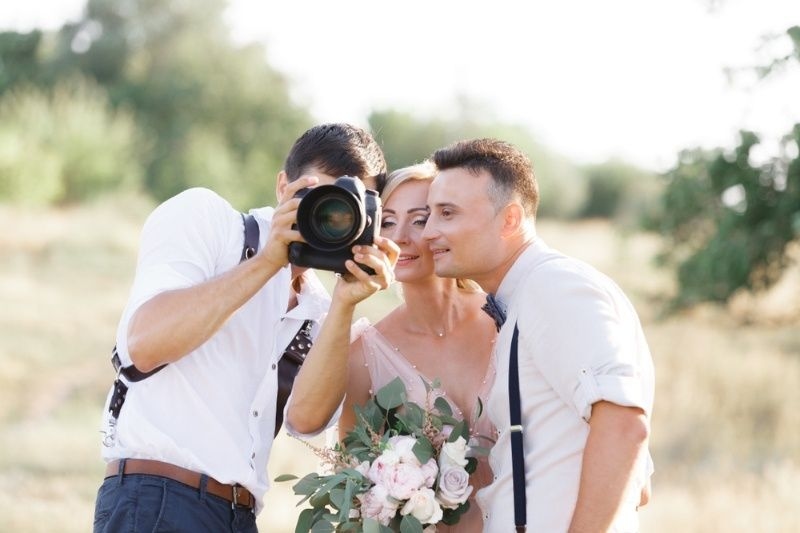
A wedding moves fast. One moment the room feels quiet and full of nerves, and the next it is laughter, music, hugs, and ten different things happening at once. That is what makes photographing a wedding so different from most other kinds of work. It is not only about taking pretty pictures. It is about paying attention to moments that will never happen again in quite the same way.
That is why wedding photography matters so much. These images become the visual memory of the day. Long after the flowers are gone and the music fades, the photographs are what people return to. They want to see the emotion, the atmosphere, the small expressions, and the parts they missed while everything was happening around them.
Good wedding coverage is not built on fancy gear alone. It comes from preparation, timing, awareness, and the ability to stay calm while a very emotional day unfolds. A photographer who understands that balance usually creates images that feel more alive and far less staged.
The best wedding photos often begin before the wedding day itself. Preparation makes everything smoother. When the photographer knows the timeline, understands the couple’s priorities, and has a plan for key moments, there is far less scrambling later.
A few essentials should be clear in advance:
This kind of planning helps the photographer focus on the right things when time gets tight. It also makes room for stronger event photography tips because good event work depends on knowing where to be before the moment happens.
Preparation also builds trust. Couples relax more when they feel the photographer is organized and fully present. That confidence often shows in the final images.
A shot list matters, but weddings are too emotional and unpredictable to be photographed like a checklist alone. A photographer still needs to watch the room. The father fixing his tie in the corner, the bride taking a quiet breath before walking out, and the friends laughing during hair and makeup—those are the moments that often become favorites later.
This is where strong wedding photo ideas become more natural than forced. Instead of inventing every image, the photographer notices what is already unfolding and responds to it. A hand squeeze, a nervous smile, a tear during the vows—these do not need much direction. They need awareness.
Some moments worth watching for include:
Those in-between moments are often what give the gallery its heart.
Wedding mornings have a different pace from the rest of the day. They are usually the best time to photograph details because things are still relatively organized. Rings, shoes, invitation suites, perfume, bouquet, cufflinks, dress fabric, and table settings all tell part of the story.
These images may seem small compared with portraits or ceremony shots, but they help complete the gallery. They also add breathing room to the final collection by mixing emotional images with visual storytelling.
For detail shots, it helps to photograph:
This part of the day also supports better bridal photography because the bride is often still getting ready, which creates soft, meaningful moments that feel intimate without being overly posed.
A lot of couples worry about posing because they think they will look awkward. Usually, they are right to worry when the direction is too stiff. People look far better when they are gently guided instead of arranged like mannequins.
That is why the best wedding poses often feel more like prompts than commands. Instead of saying, “Put your hand exactly here and tilt your chin this much,” it usually works better to suggest movement or interaction.
Helpful prompts might include:
These small actions create photos that feel real. The couple still looks polished, but the image keeps a sense of life instead of feeling overly managed.
Bridal portraits deserve care because they often become some of the most treasured images from the whole day. The dress, makeup, bouquet, and emotion all come together in a way that only happens once. Still, these portraits work best when the bride is not rushed or overwhelmed.
Strong bridal photography usually depends on three things: clean light, gentle direction, and enough breathing room in the timeline. Window light is often excellent for getting-ready portraits. A shaded outdoor corner can also work beautifully if the schedule allows.
A few easy portrait approaches include:
The goal is not to turn the bride into a fashion model. The goal is to create portraits that feel elegant, warm, and true to the mood of the day.
Ceremonies do not wait for the photographer. That is why timing matters so much here. The key moments happen once, and they can pass in seconds. The entrance, reactions, vows, ring exchange, first kiss, and recessional all need attention.
This is where wedding shots become more about anticipation than speed. A good photographer is already in position before each key moment begins. They know where the couple will stand, where the light is strongest, and how to move quietly without disrupting the event.
Important ceremony moments to prepare for include:
A strong ceremony sequence gives the gallery emotional structure. It often becomes the center of the story.
Once the reception begins, the tone usually changes. The pressure drops a little, people loosen up, and the room becomes more dynamic. This is the time for movement, joy, speeches, food, dancing, and plenty of spontaneous emotion.
This is also where practical event photography tips make a difference. Reception spaces often have difficult lighting, changing color temperatures, and unpredictable movement. The photographer needs to stay flexible while still noticing what matters.
Key reception moments often include:
Reception coverage should not feel like a collection of random flash photos. It should still tell a story, even when the room gets loud and fast.
Some of the most meaningful photos from a wedding are not the ones anyone planned. A grandmother watching quietly from her chair, a flower girl losing focus halfway down the aisle, a best friend crying during the speech, these moments stay with people because they feel honest.
That is why wedding photography works best when it leaves room for observation. The photographer still creates portraits and formal frames, of course, but the candid images often hold the emotional weight of the day.
Good candid coverage usually comes from:
A wedding gallery needs both structure and surprise. The candid images are often where the surprise lives.
Trendy photos come and go, but personal photos last. A good gallery reflects the couple, their people, and the feel of the day. That is why the strongest wedding photo ideas often come from noticing what matters specifically to them.
Maybe that means photographing a handwritten letter before the ceremony. Maybe it is a family tradition at dinner, a meaningful location at the venue, or a group of lifelong friends who need a little extra time together. Those details make the work feel personal instead of generic.
This is also why wedding poses and wedding shots should support the couple’s personality rather than overpower it. Some couples are playful. Some are quiet and affectionate. Some love the camera, and some need a gentler approach. The best images respect that difference.
A strong wedding gallery does not rely on one type of image. It combines portraits, details, candids, reactions, wide venue views, emotional ceremony moments, and high-energy reception shots. That mix is what makes the story feel complete.
In the end, photographing a wedding well is not about controlling every second. It is about preparing carefully, noticing quickly, and understanding people as much as cameras. When that happens, the final images feel less like a collection of poses and more like a real memory of the day.
The right number depends on the length of coverage, the size of the wedding, and how many events are included. A smaller wedding with a short timeline may need far fewer images than a full-day event with multiple locations and traditions. What matters more than the count is variety and quality. A gallery should feel complete, emotionally balanced, and easy to revisit without becoming repetitive or padded with too many similar frames.
Yes, that can be very helpful, as long as it is used as a guide rather than a strict script. Inspiration images help the photographer understand the couple’s taste, whether they prefer candid moments, elegant portraits, brighter edits, or more documentary-style coverage. The best use of inspiration is to show mood and preference, not to recreate every exact frame. Weddings move differently, and strong photographers adapt ideas to real people and real light.
One common issue is building a timeline that leaves no breathing room. When hair, makeup, travel, ceremony, portraits, and reception events are packed too tightly, everyone feels rushed, and the photos often show that tension. A little extra buffer time usually leads to calmer expressions, better light choices, and more genuine moments. Good photography often depends as much on time management as it does on camera skill.
This content was created by AI